Ever felt like stress is sabotaging your weight loss goals? What if I told you that something as simple as how you breathe could be the missing piece in your wellness puzzle? Spoiler: It absolutely can. Today, we’ll dive into why breath for calm is a game-changer, explore actionable breathing techniques, and even uncover some common mistakes most people make (guilty as charged).
In this guide, you’ll learn:
- The science behind breathwork and its impact on weight loss.
- Step-by-step instructions to master calming breath exercises.
- Tips to integrate these practices into daily life seamlessly.
Table of Contents
- Key Takeaways
- Why Breathing Matters for Weight Loss
- How to Master Breath for Calm
- Best Practices to Make It Stick
- Real-Life Success Stories
- FAQs About Breath for Calm
Key Takeaways
- Breath for calm reduces cortisol levels, aiding weight loss.
- Practicing diaphragmatic breathing boosts metabolism and mental clarity.
- Even 5 minutes of mindful breathing can transform your day—and waistline.
Why Breathing Matters for Weight Loss
Let’s talk hormones—specifically cortisol. When stress spikes, so does cortisol production. And guess what cortisol loves doing? Storing fat around your midsection. Oof. The good news? Proper breathing techniques can lower those pesky stress hormones, helping you keep cravings at bay while boosting metabolic efficiency.
I once thought shallow chest breathing was *normal*. Turns out, it’s about as helpful for weight loss as trying to run a marathon in flip-flops. Lesson learned? Diaphragmatic breathing isn’t just fancy jargon—it’s essential for activating your body’s natural fat-burning mode.
“Optimist You: ‘Deep breaths sound easy enough.’ Grumpy You: ‘Easy until you realize how hard it is to break bad habits.'”
How to Master Breath for Calm

Step 1: Find Your Sweet Spot
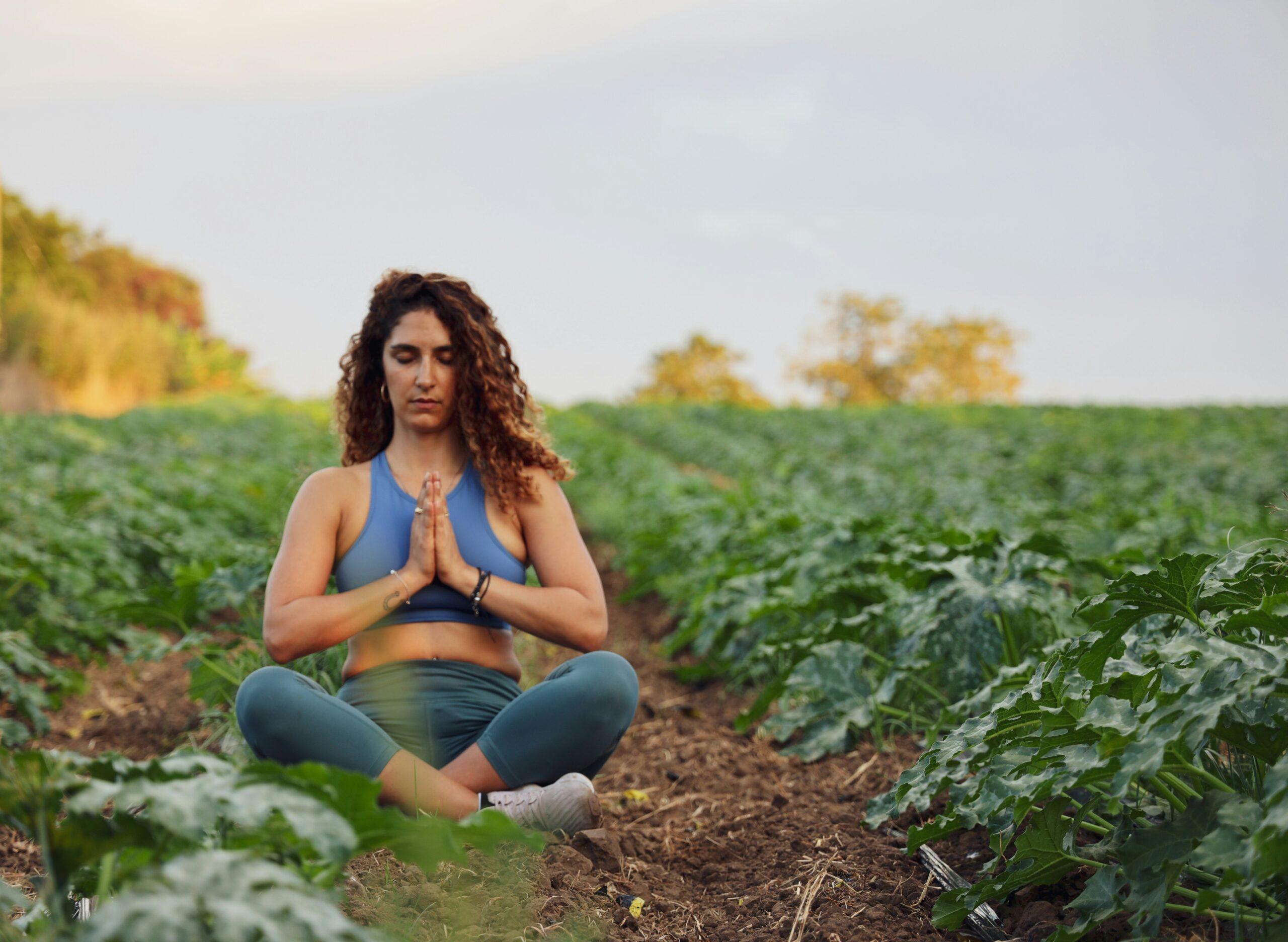
Sit comfortably with one hand on your chest and the other on your belly. Inhale deeply through your nose, ensuring only your belly rises—not your chest. This trains your diaphragm to do its job properly.
Step 2: Try the 4-7-8 Technique
Inhale quietly through your nose for 4 seconds, hold your breath for 7 seconds, then exhale completely through your mouth for 8 seconds. Repeat for 4 cycles. Sounds simple, right? Don’t knock it till you try it!
Step 3: Pair Breathing with Movement
Combine yoga or stretching with rhythmic breathing. Example: While holding Warrior II pose, focus on inhaling during the stretch and exhaling as you deepen into it. Bam—double duty for your mind and body.
Rant Alert: Stop scrolling Instagram while “meditating”! Multitasking ruins mindfulness faster than a squirrel steals peanuts. Put down the phone.
Best Practices to Make It Stick
#1 Start Small
Don’t aim for an hour-long session straight away. Begin with 2–3 minutes daily, then gradually build up.
#2 Use Triggers
Tie your practice to existing routines. For example, take three deep breaths every time you sit down for breakfast. Habits stick better when piggybacked onto others.
#3 Track Progress
Use apps like Calm or Headspace to track your consistency. Seeing streaks builds motivation (and accountability).
Terrible Tip Disclaimer:
Do NOT hold your breath randomly for extended periods. Sure, competitive free divers might pull it off—but unless you’re underwater, please stay safe and prioritize technique over ego.
Real-Life Success Stories

Meet Sarah, a busy mom who struggled with emotional eating. After incorporating 10 minutes of morning breathwork, she dropped two dress sizes in six months—not to mention gained laser focus at work. Coincidence? Hardly. Science.
FAQs About Breath for Calm
Q: Can breathing really help me lose weight?
Absolutely. Lowering stress and improving oxygen flow supports metabolism and reduces binge-eating triggers.
Q: How often should I practice?
Aim for 5–10 minutes daily, ideally first thing in the morning or before bed.
Q: Will any type of breathing work?
Nope. Focus on techniques like diaphragmatic or alternate nostril breathing for maximum benefits.
Wrap-Up: Breathe Easy, Live Fully
To recap, mastering breath for calm is more than a wellness trend—it’s a lifestyle upgrade. From reducing cortisol to enhancing mindfulness, incorporating intentional breathing practices sets the foundation for sustainable weight loss and overall well-being.
“Your breath is always there for you. Treat it like the ultimate ally it truly is.”
P.S. If all else fails, remember this nugget of wisdom:
Inhale peace,
Exhale pizza.
Repeat forever.