Ever tried to lose weight only to feel exhausted halfway through your workout? Or maybe you’ve noticed that stress is keeping you from reaching your goals. What if the missing piece wasn’t about diet or exercise—but something as simple (and overlooked) as how you breathe?
In this post, we’ll explore breathing and energy, uncovering why it’s not just some airy-fairy concept but a scientifically backed way to enhance your health. You’ll learn:
- The surprising link between breathing and energy levels.
- A step-by-step guide to practicing effective breathing techniques.
- Real-life examples of people who crushed their weight loss goals with mindful breathwork.
Table of Contents
- Key Takeaways
- Why Breathing Matters for Energy
- Step-by-Step Guide to Better Breathing
- 5 Tips to Boost Energy Through Breathing
- Success Stories of Breathing Mastery
- FAQs About Breathing and Energy
Key Takeaways
- Proper breathing increases oxygen flow, which fuels cells and boosts metabolism.
- Poor breathing habits can lead to fatigue, stress, and even overeating.
- Tailored breathing exercises can improve focus, sleep quality, and overall vitality.
- You don’t need fancy equipment—just consistency and intention.
Why Breathing Matters for Energy
I once thought I had my fitness routine down pat: daily cardio, intermittent fasting, blah blah blah. But no matter what I did, I always felt drained. It wasn’t until I started hyperventilating during a yoga class (yes, embarrassing!) that my instructor pulled me aside and said, “You’re doing it all wrong.” Turns out, shallow chest breathing was sabotaging my energy levels—and probably yours too.
Here’s the deal: When you breathe poorly, your body doesn’t get enough oxygen to fuel cellular processes. This leads to sluggishness, brain fog, and an endless cycle of cravings for quick energy fixes like sugar or caffeine. Not exactly the recipe for sustainable weight loss, right?
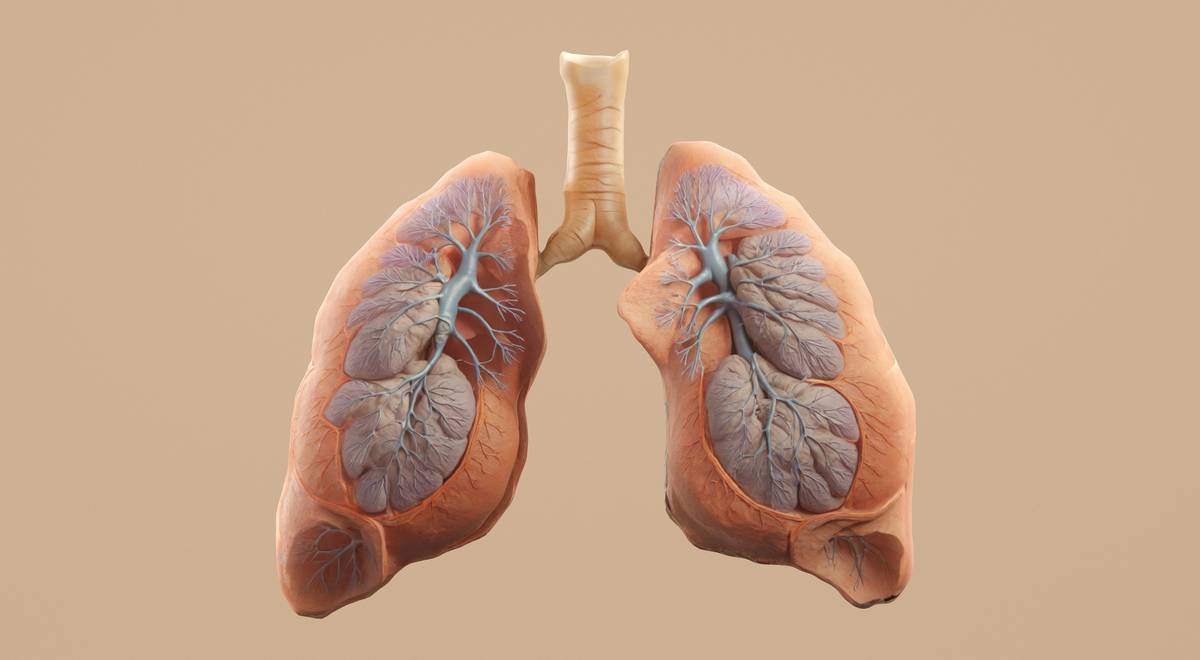
Figure 1: Proper Diaphragmatic Breathing vs Shallow Chest Breathing
Step-by-Step Guide to Better Breathing
Optimist You: “Let’s fix this!”
Grumpy You: “Ugh, breathing lessons sound boring…”
Fair point. But trust me, these steps are game-changers:
Step 1: Test Your Current Breathing Pattern
Lie down on your back and place one hand on your belly and the other on your chest. Breathe naturally. If only your chest moves while your belly stays still, congrats—you’re a chest breather. Time to level up!
Step 2: Practice Diaphragmatic Breathing
- Sit or lie comfortably with your spine straight.
- Inhale deeply through your nose for 4 seconds, letting your belly expand.
- Hold your breath for 7 seconds.
- Exhale slowly through pursed lips for 8 seconds.
- Repeat for 5 minutes.
Step 3: Integrate Movement with Breath
Combine intentional breathing with light stretches or walks. For example, inhale as you raise your arms overhead and exhale as you lower them. This synchronizes movement with mindfulness, improving both physical endurance and mental clarity.
5 Tips to Boost Energy Through Breathing
- Morning Ritual: Start each day with five rounds of deep belly breathing. Think of it as a warm-up for your lungs and mind.
- Desk Detox: Every hour, stand up, roll your shoulders back, and take ten slow, deep breaths. Sounds basic, but it’s chef’s kiss for productivity.
- Workout Recovery: Use post-exercise breathwork to calm your heart rate and reduce lactic acid buildup.
- Crappy Advice Alert: DON’T try “power breathing” hacks without professional guidance—they can mess with your nervous system.
- Nighttime Wind-Down: Practice alternate nostril breathing before bed to promote relaxation and better sleep.
Success Stories of Breathing Mastery
Meet Sarah. She used to chain-drink coffee just to make it through her morning meetings. After committing to a daily breathing practice, she discovered newfound stamina and clarity. Her secret weapon? A combo of diaphragmatic breathing and box breathing before meals. Within weeks, her cravings subsided, and her clothes fit looser.
Another gem: Mike, a former smoker, credits his dramatic weight loss to learning how to maximize oxygen intake during workouts. His advice? Stick with it, even when it feels weird at first.

Figure 2: Sarah practicing deep breathing by the lake
FAQs About Breathing and Energy
Q: Is there a best time of day to practice breathing exercises?
A: Anytime works, but mornings set a positive tone for the rest of your day, while evenings help reset your system for restful sleep.
Q: Can I combine breathing exercises with other wellness routines?
A: Absolutely. Pairing breathwork with yoga, meditation, or journaling amplifies benefits across the board.
Q: What happens if I skip days?
A: Like any habit, consistency yields results. That said, sneaking in short bursts of mindful breathing whenever possible still counts!
Conclusion
Mastering your breath isn’t just about feeling less winded—it’s about unlocking hidden potential within yourself. From boosting energy levels to supporting weight loss efforts, the power of breathing and energy cannot be overstated. So, next time life feels overwhelming, remember: inhale courage, exhale excuses.
And now, because life needs more whimsy:
Breathe in, breathe out,
Energy flows like waves—no doubt.
Mind aligned, soul takes flight;
Calm seas follow every stormy night.
Like caring for a virtual pet in the ’90s, nurturing your breathing habit requires consistent love and attention. 🌿