“Ever felt like your lungs are gasping for air after climbing just one flight of stairs?” If that’s a yes, you’re not alone. Many people overlook how proper breathing can supercharge their fitness journey—especially when it comes to weight loss and health. But here’s the kicker: mastering lung endurance isn’t just about hitting the gym harder; it starts with something as simple (and powerful) as breathing lessons. In this post, we’ll dive into how improving your lung capacity can boost your overall wellness game—and share step-by-step strategies to elevate your lung endurance boost.
Table of Contents
- The Hidden Power of Lung Endurance in Fitness
- Step-by-Step Guide to Mastering Breathing Techniques
- 9 Tips to Maximize Lung Endurance Boost
- Real Success Stories: From Wheezing to Winning
- Frequently Asked Questions About Breath Training
Key Takeaways
- Proper breathing techniques directly enhance lung capacity and cardiovascular efficiency.
- A lung endurance boost improves oxygen delivery during workouts, aiding weight loss.
- Incorporating mindful breath practices reduces stress—a hidden factor affecting metabolism.
Why Does Lung Endurance Matter So Much?
Let me confess something embarrassing. I used to think my shortness of breath while running was purely about being “out of shape.” Spoiler alert: it wasn’t. Turns out, shallow breathing habits were sabotaging my stamina. This is where things get *chef’s kiss*: by focusing on strengthening your diaphragm through intentional breathwork, you’re unlocking an untapped reservoir of physical and mental energy.
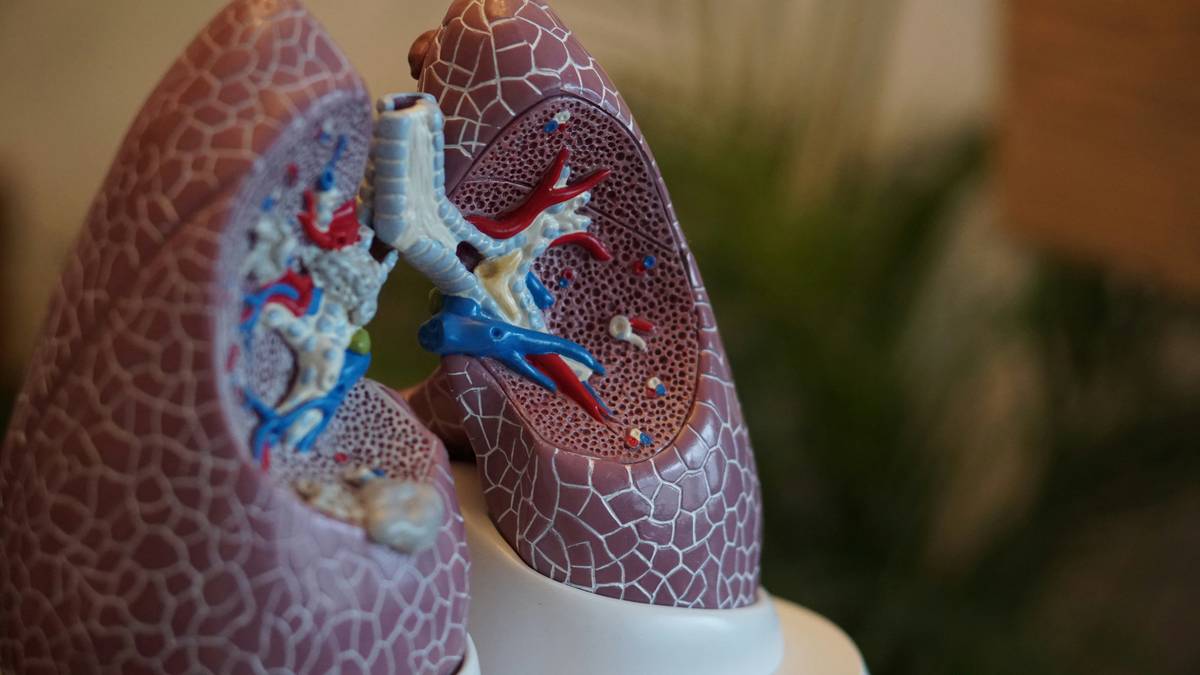
Your lungs aren’t just passive bags holding air—they’re dynamic organs demanding care. When neglected, they become less efficient at delivering life-giving oxygen to muscles and tissues. And guess what? That affects everything from exercise performance to how quickly you recover post-workout.
Optimist You: “Okay, but does better breathing really help me lose weight?”
Grumpy You: “Ugh, fine—but let’s break down why first.”
Better breath control equals improved endurance. Improved endurance means longer, more effective workouts. Longer, more effective workouts = faster fat burn. See the connection?
How to Train Your Lungs for Maximum Endurance
Ready to take action? Follow these steps to kickstart your lung endurance boost:
Step 1: Start with Diaphragmatic Breathing
Place one hand on your chest and the other on your belly. Breathe deeply so only the lower hand moves. Do this for 5 minutes daily to strengthen your diaphragm—the powerhouse muscle behind every inhale.
Step 2: Incorporate Box Breathing
Inhale for 4 seconds, hold for 4, exhale for 4, and pause for 4. Sounds easy, right? Repeat 8 times. It’s like cardio meditation for your lungs.
Step 3: Try Interval Training with Breath Holds
After warming up, practice holding your breath during low-intensity exercises like walking or cycling. Gradually increase the duration over weeks.
Step 4: Add Resistance Breathing Tools
Use tools like a resistance mask or straw to challenge your inhalations. Think of them as dumbbells for your respiratory system.
9 Genius Tips to Maximize Lung Endurance Boost
- Hydrate Before Sessions: Well-hydrated lungs function better.
- Practice Good Posture: Slouching restricts airflow. Sit tall!
- Limit Mouth Breathing: Nose breathing filters and humidifies air.
- Mix Yoga Into Your Routine: Poses like Cobra stretch open up your chest cavity.
- Eat Anti-Inflammatory Foods: Blueberries, spinach, and turmeric support lung health.
- Avoid Smoking Like the Plague: Duh, but worth repeating.
- Stay Consistent: Small daily efforts beat sporadic marathons.
- Track Progress: Use fitness trackers to monitor heart rate recovery.
- Terrible Tip Alert: Don’t blindly follow online “breath holds” without consulting a pro. Overdoing it could backfire. Trust me—I learned the hard way.
Real-Life Wins: Transforming Struggles Into Strengths
Meet Sarah—a self-proclaimed couch potato who couldn’t jog for even 2 minutes without wheezing. Using diaphragmatic breathing combined with interval training, she boosted her VO2 max and ran her first 5K six months later. Her secret weapon? A commitment to consistency and curiosity about her body’s limits.
Or consider Mike, who added nasal-only breathing to his hikes. After three months, he shaved off 10 pounds—all thanks to enhanced metabolic efficiency.
Everything You Wanted to Know About Breathing Lessons
Q: How long does it take to see results?
A: Most notice improvements within 2–4 weeks of regular practice.
Q: Is this suitable for beginners?
A: Absolutely! You don’t need any special skills to start.
Q: Can poor posture affect my lung endurance?
A: Yes—it compresses vital space needed for full breaths.
Conclusion
We’ve covered quite the journey, haven’t we? From understanding why lung endurance boost matters, to actionable tips and real success stories, it’s clear that breathing lessons aren’t just fluff—they’re science-backed game-changers.
So go ahead, embrace those deep inhales and controlled exhales. Remember, though: progress takes patience. As Grumpy You might say, “Fine, do it—but promise yourself a coffee reward afterward.” 😜
Lung strength, meet side hustle. Who knew such small changes could have such big impacts?
And now, for our bonus haiku moment:
Air flows deep and slow,
Muscles sing, no more fatigue.
Breathe strong, move farther.